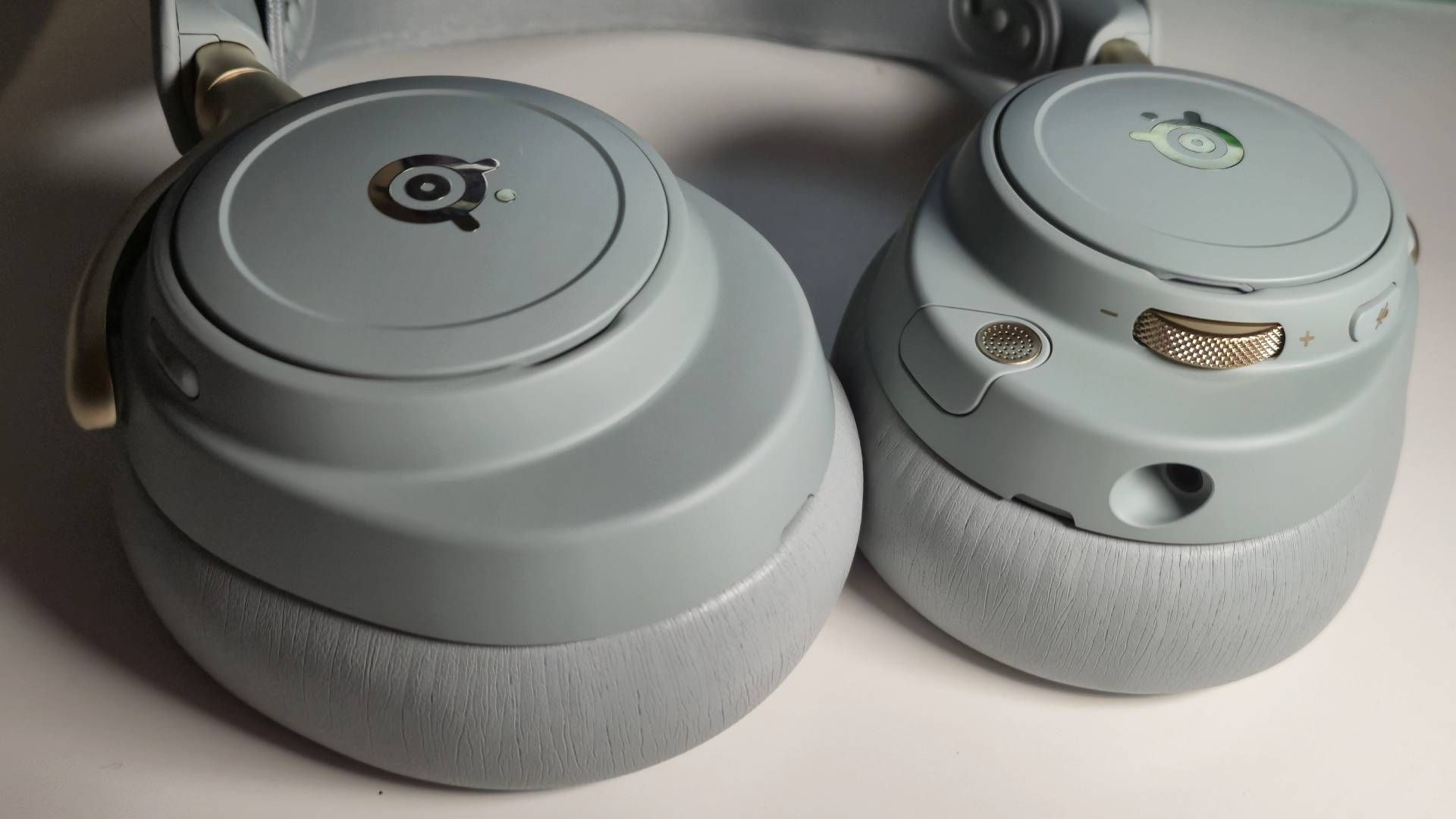
One of the most premium gaming headsets available, the SteelSeries Arctis Nova Elite, was marketed as “the first Hi-Res Wireless Certified headphones for gaming” when it was unveiled in September 2025. For those unaware, the inclusion of ‘Hi-Res’ could sound a bit like nonsense marketing, a lot like how “AI” is seemingly inserted in almost every new tech announcement, gaming or otherwise.
However, Hi-Res audio is not a useless gimmick and is instead used to describe sound that is better than standard CD quality, which is often coveted by audiophiles and tech nerds alike. In theory, it can make a difference to how your gaming headset elevates the sound of your favourite games. While SteelSeries is the first to make it available in a certified wireless pair of cups, there is a plethora of Hi-Res headsets advertised towards players, and I’m here to let you know exactly what the audio format is, so you can be more informed when perusing your next new headset purchase.
What is Hi-Res gaming audio?
As I briefly said earlier, Hi-Res audio is audio that is better than standard CD quality, but that doesn’t really explain much, especially for those who haven’t touched a CD since the early to mid naughties.
To be more precise, Hi-Res audio or high-resolution audio is an audio format with a higher sampling frequency and bit-rate than a typical mastered CD. Sampling frequencies are the snapshots of data taken from a piece of audio, which are recorded as a unit per time, and the depth of this data is known as a bit rate. The more snapshots of audio that are recorded, the more in-depth the audio quality.
To put it into perspective, as shared on the SteelSeries website, the standard CD will have a sample frequency of 44.1 kHz; meanwhile, Hi-Res audio indicates anything that is 96 kHz and above. That’s why, if you happen to have the SteelSeries Arctis Nova Elite at hand, you need to select the 96,000 Hz option from the dropdown menu in the sound settings in Windows (as well as ensuring Hi-Res is on via the GameHub) to ensure you’re listening to Hi-Res audio.
What Hi-Res gaming headsets are there?
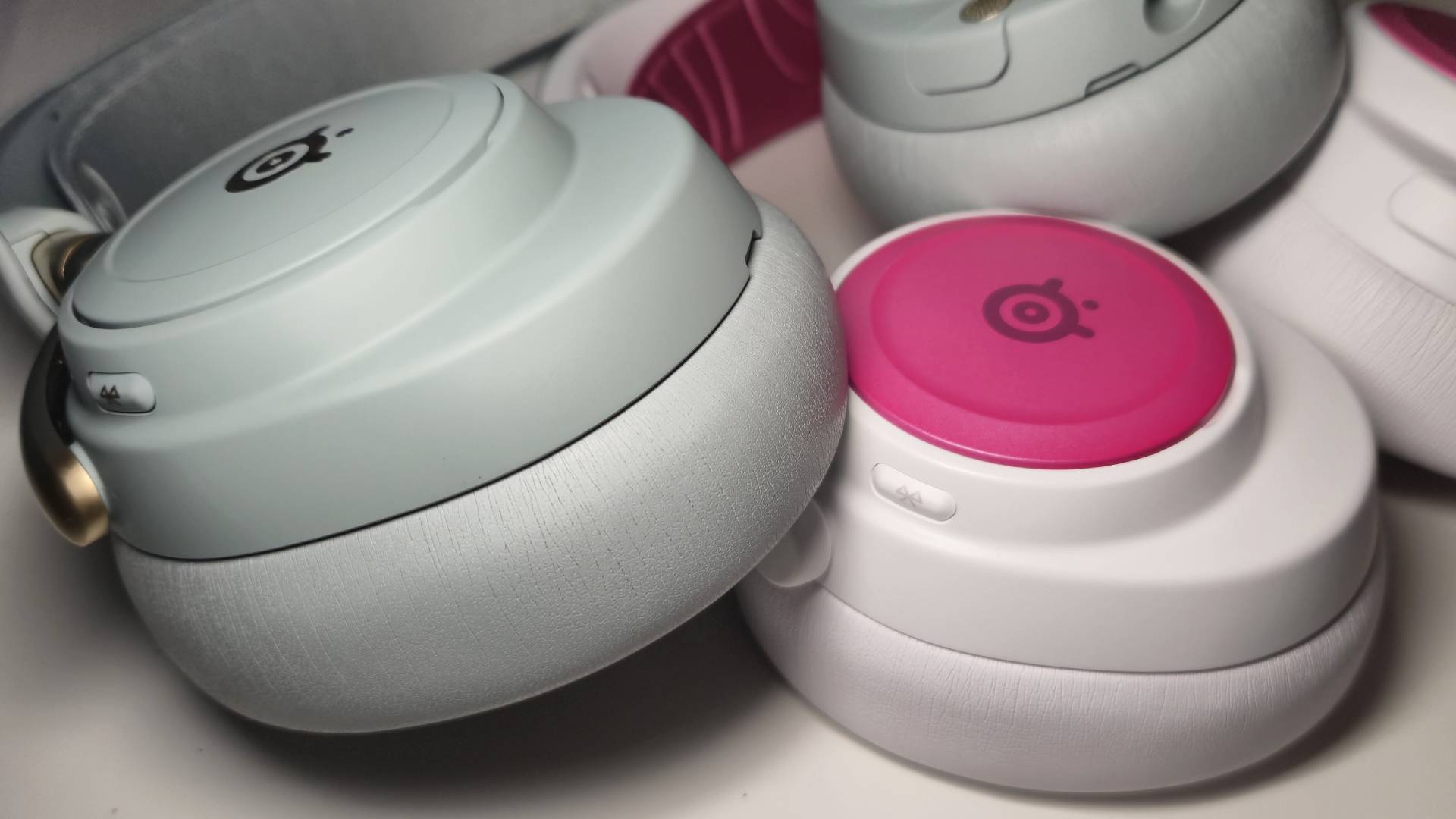
What makes new premium headsets like the Nova Elite unique is not the fact that they’re compatible with Hi-Res audio, as the Steelseries Arctis Nova Pro Wired was also equipped with an official Hi-Res Audio Certification. Instead, it’s special as it’s the first to be found in a wireless form factor.
Typically, Hi-Res and audiophile headsets alike were only found in wired pairs because wired connectivity can offer a more reliable quality. Before the Nova Elite came on the scene on September 30, 2025, you could instead grab the JBL Quantum One headset with its Hi-Res certified 50mm neodymium audio drivers, or the Audeze Penrose X, among many more.
Wireless alternatives, particularly those that rely on Bluetooth, can be weighed down by the possibility of dropouts and compressed sound, and are even open to interference from other devices. It’s why many audiophiles in both the gaming and music spaces often stick to wired options instead. It makes sense, as if you’re specifically after the best sound quality humanly possible, and know that Hi-Res sound comes at a high price, you’re not going to want anything to jeopardise that. It’s also why, even with new wireless options out there, you may still find many audiophiles who swear on wired headsets and headphones and nothing else, whether it’s for gaming, listening to music, or watching TV shows and movies.
Are Hi-Res gaming headsets worth it?
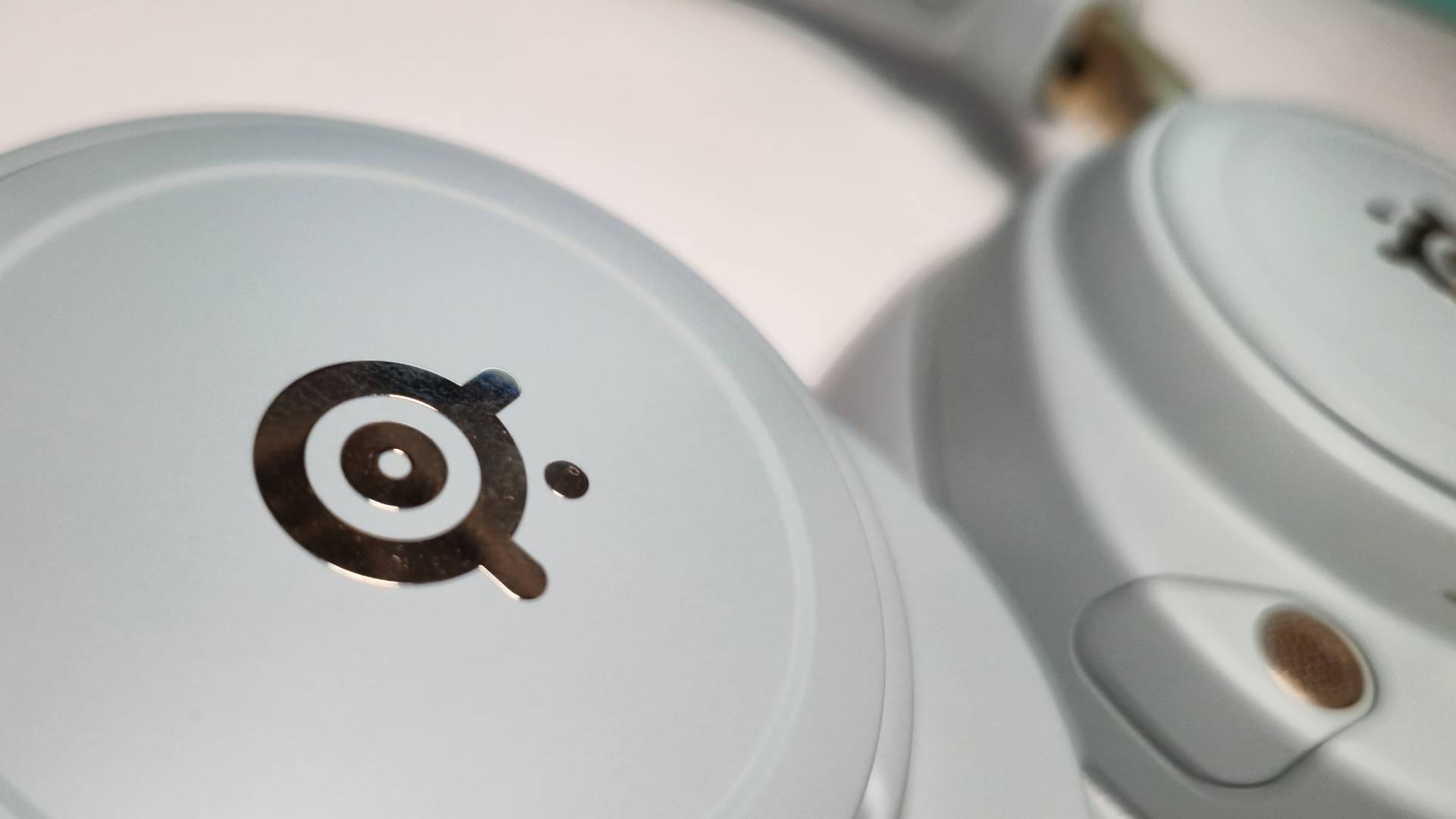
Whether you want to grab the wireless SteelSeries Arctis Nova Elite or a Hi-Res wired headset depends on how much you value the quality of your audio and what you’re willing to spend.
The Nova Elite is the most premium headset on the market today, thanks to its $599.99 / £599.99 MSRP. That’s a lot to invest, especially when not many can notice the difference between Hi-Res audio and a high-end sound that already exists in options like the brand’s Arctis Nova Pro Wireless.
I’ve been fortunate to spend a lot of time testing not just the Nova Elite, but also in a studio audio setting due to my music degree studies, where being able to identify the nuances of high-quality sound is a must. But not everyone is going to have a similar background and will notice the differences that the 24-Bit/96KHz transmission will offer when playing games on any platform via SteelSeries’ most recent cups, or any other Hi-Res headset.
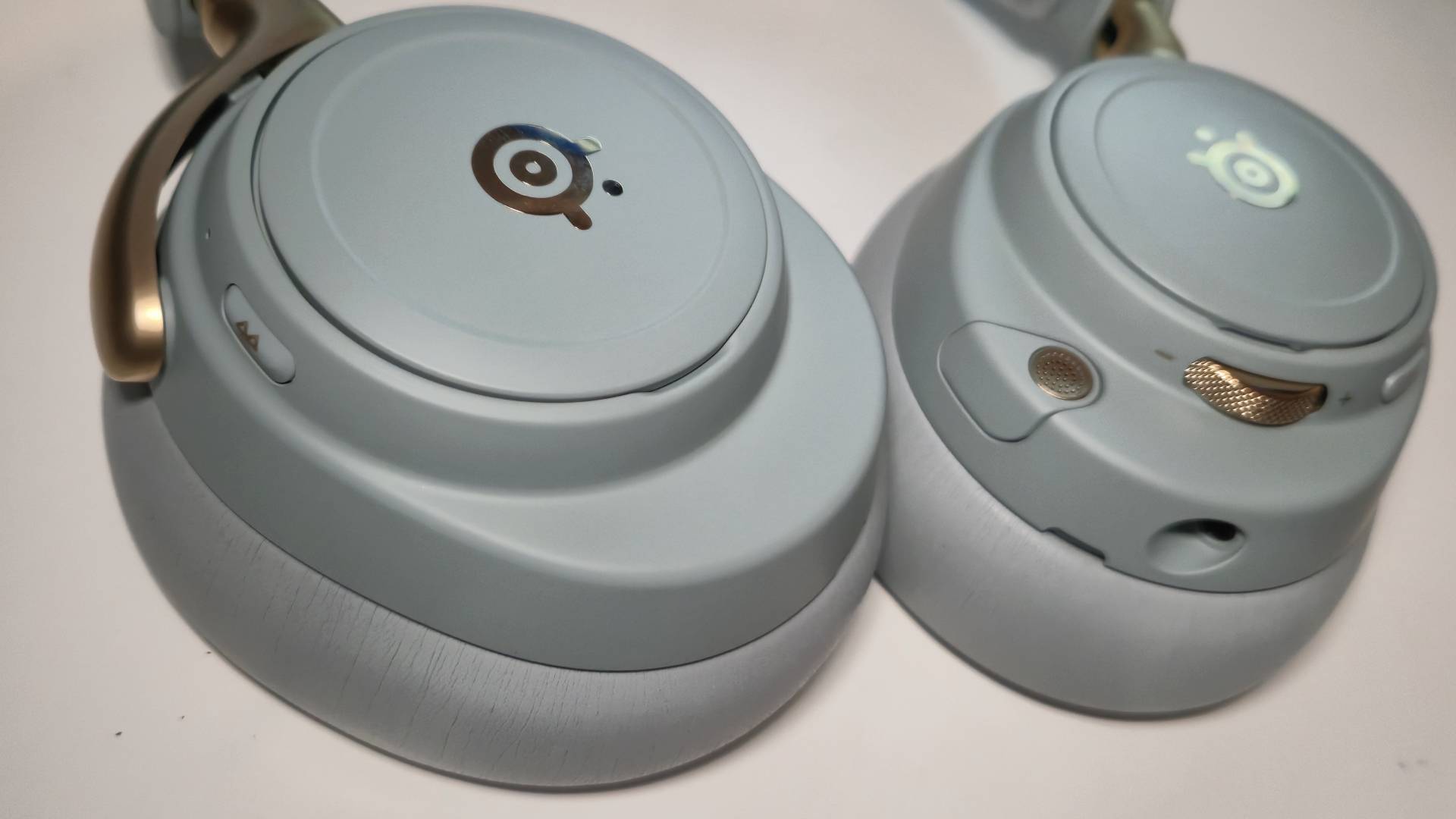
If you care about having a less compressed sound, want to hear higher frequencies better, want more depth to everything from a game’s sound design to its accompanying score, and also want to listen to Hi-Res music audio that’s as close to the original mastered quality as possible, then making sure to check whether your next headset supports Hi-Res audio is ideal. Just be sure you also have the budget to spare that comes with most Hi-Res supported options out there today. For all others, there’s a slew of high-end sounding cups that can elevate your games without Hi-Res support, but grabbing an older Hi-Res wired pair can be a great way to experience the quality without breaking the bank.
If you can’t quite budget for the most premium Hi-Res pairs of cups, check out our guides to the best Nintendo Switch headsets, the best PS5 headsets, and the best Xbox Series X headsets for great-sounding alternatives.
![Kaboomania – A bomberman clone is coming to the Amiga and PC, Kickstarter soon! [DEMO UPDATE]](https://gamingnewsmag.com/wp-content/uploads/2026/02/bommm-390x220.jpg "Kaboomania – A bomberman clone is coming to the Amiga and PC, Kickstarter soon! [DEMO UPDATE]")