We’re still awaiting confirmation from Valve on when its new Steam Frame VR headset will land on the shelves. Although it was initially slated for an “early 2026” launch along with the new Steam Machine and Controller, the global memory shortage due to AI is wreaking havoc on the company’s plans.
I fully appreciate that launching a new headset right now would mean a catastrophic price of the Steam Frame, and nobody wants that. But while Valve stalls, the rest of the industry is making moves. Virtual Desktop, probably the most popular streaming app that links VR headsets with PCs, has just been issued with a new update that snipes one of the Steam Frame’s coolest features.
It really does feel as though Valve is between a rock and a hard place with the Steam Frame in particular. Yes, the mini PC market is moving in on the appeal of the Steam Machine too, but VR headsets are, to a certain extent, a live entity. Standalone devices get updated regularly, and that means the Meta Quest 3 headsets and others like the Pico 4 Ultra can all make themselves more appealing while the Steam Frame suffers delays.
Right enough, the Quest 3 and Pico 4 Ultra don’t have eye-tracking, so they’re not going to gain from this particular foveated streaming bonus, but these devices are already priced accessibly, and the longer Valve waits, the higher the chance of them encroaching on other aspects while remaining at a lower price. If other headsets can use foveated streaming and, like the Frame, stream 2D games directly with that kind of eye-tracking ability, or link to a third-party controller, why bother waiting for the Steam Frame? Especially if its price is likely going to be higher due to the RAMpocalypse.
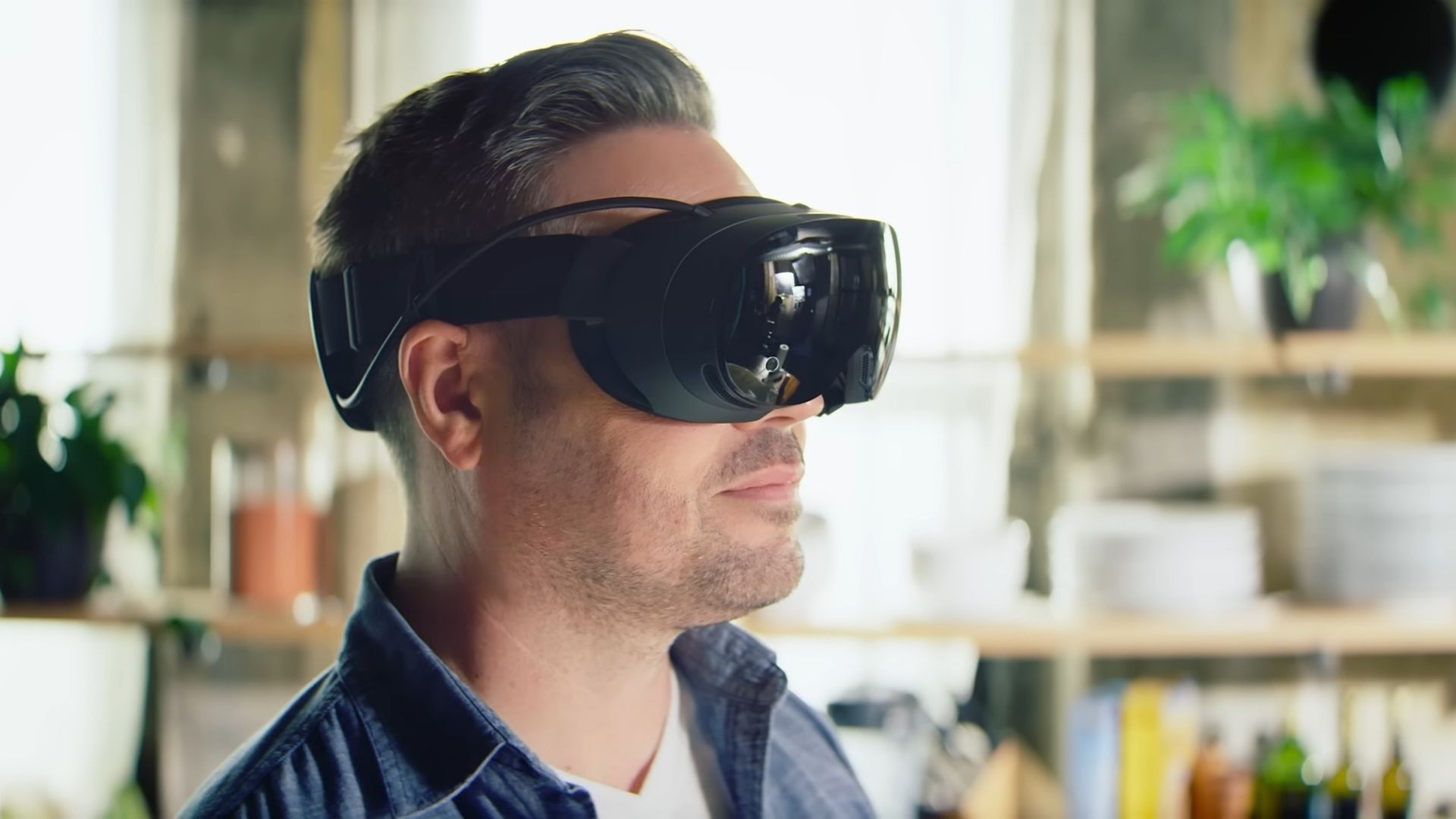
A prime example: hand-tracking wasn’t really a big focus of the Meta Quest 3 until Apple Vision Pro revealed it wouldn’t even have controllers. Then, Meta diverted more attention to its own version of hand tracking, and now it’s a way that so many people use the XR menus on its headsets. As the Vision Pro cost $3,500 and the Quest 3 was under $500, it became a clear choice which headset had stolen the hype. The VR market is very competitive, so if it wants to avoid other headsets stealing the glory, Valve can’t afford to wait too long.
Maybe I’m being too nervous because I’d love to see the Steam Frame be the VR market’s Steam Deck moment, but I do feel like now that we have a clear idea of how Valve was planning to ignite more mainstream interest in this type of gaming, the rest of the market is free to benefit while we wait for launch.
For more on VR, take a look at the best Meta Quest accessories, the best PSVR 2 deals, and the best Meta Quest deals.