I remember attending an event in 2023 where I played a short demo for Demonschool. One of the game’s leads described it as a queerer version of an old-school Persona RPG from the PSX era. Years later, the game has finally been released, and that old description still holds true. Though the game has other advantages and disadvantages, as well.
Mommy, I Don’t Want to Go to School Today
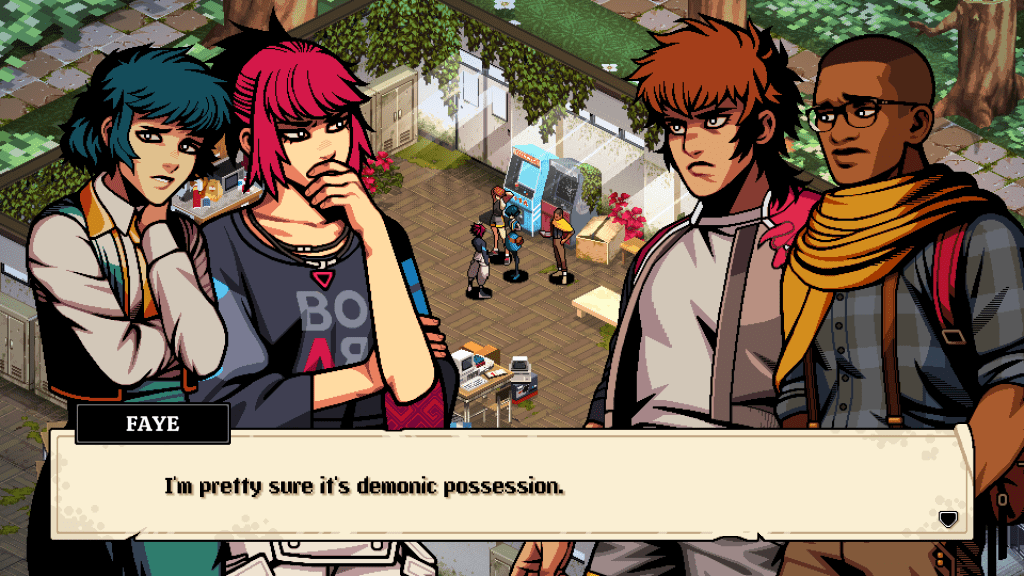
Demonschool opens up with the main character, Faye, on a boat heading towards Hemsk Island. She unnerves another playable lady, Namako, with her talk about demons and the impending apocalypse (the game is set in 1999). Together, they make it to the island and Hemsk University, where they meet a large cast of colorful students and all come to realize that, yes, monsters exist and they have unique powers to slay them. Though the game is over 30 hours long if you are a completionist, this plot largely remains the same, with little variation throughout. Thankfully, the dialogue between the core cast and even some NPCs is quite funny and entertaining. Speaking of enjoyable things…
Fighting for a Good Grade
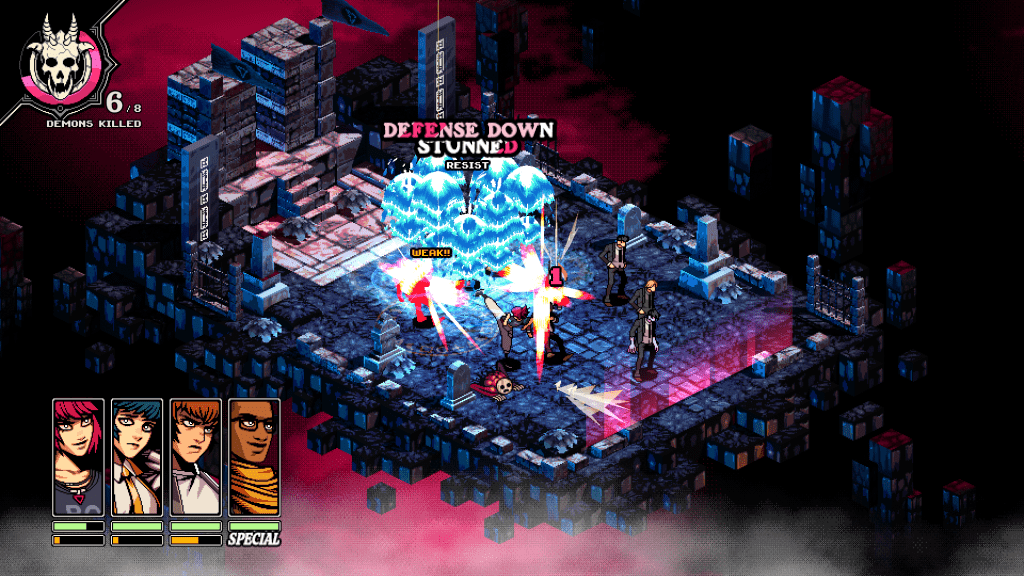
Are you a fan of planning out attack patterns and being graded on your performance? Then, Demonschool has everything you need in spades. Battles take place on a grid, with various characters able to move along specific lines while attacking (think of them as chess pieces). A certain number of demons must be killed before you move one of your players to the end of the board, sealing the gate the hellspawn came through. What I love about this combat system is that it allows you to undo moves before you move into your attack phase, and even lets you restart battles if things go awry. Party members usually excel in defense or offense, so it is often the best strategy to lower adversaries’ defenses and move them into a straight line before you let loose with another to deal the killing blow. There is only a certain amount of AP everyone shares to do actions, though; making sure to jump between the cast is vital if you want to kill opponents quickly and not have any good guys die (every character only has three hit points). If you manage to clear the board in a certain number of turns, you’ll get the coveted A rank, which gives you more rewards and the feeling that you are the smartest person in the room.
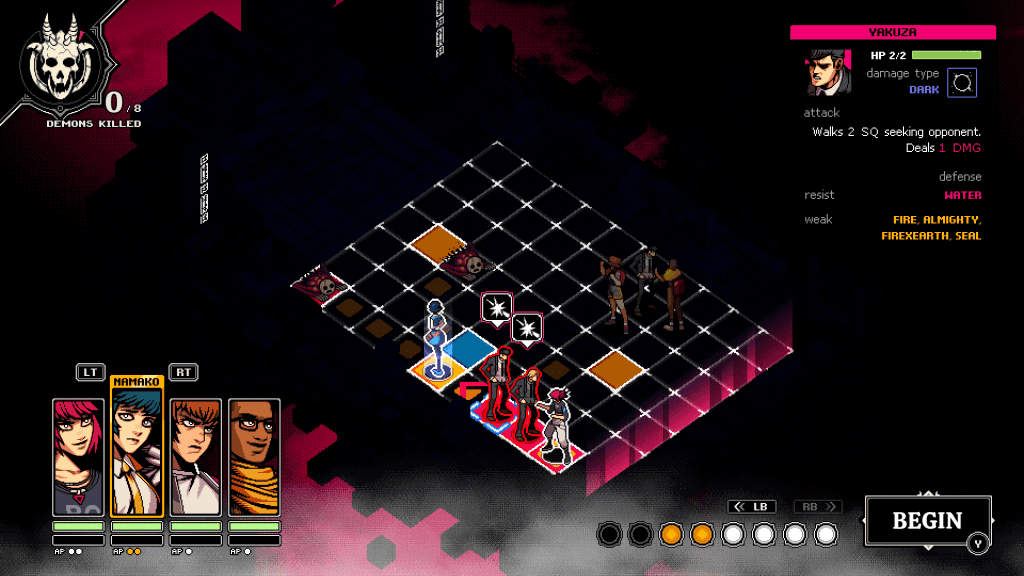
As you attack or perform various buffs and debuffs, your player will build up a special meter. Once full, you can unleash a special attack that hits enemies hard (my favorite is Namako’s, which has an area of effect that hits multiple surrounding enemies). These specials are key to winning battles quickly, especially against bosses. The big bads are a true test of skill because you have to deal with their minions while figuring out the best way to exploit their weaknesses. Combat is easily the highlight of Demonschool. My only gripe with it is that just as you’re getting used to the core four (Faye, Namako, Knute, and Destin) and their unique skillsets, more playable party members appear, for a total of 15 characters by the title’s conclusion. It is a lot to keep track of, and you’ll be constantly reassessing your strategies when choosing who will ride with you during your next fight.
Life Outside Hell
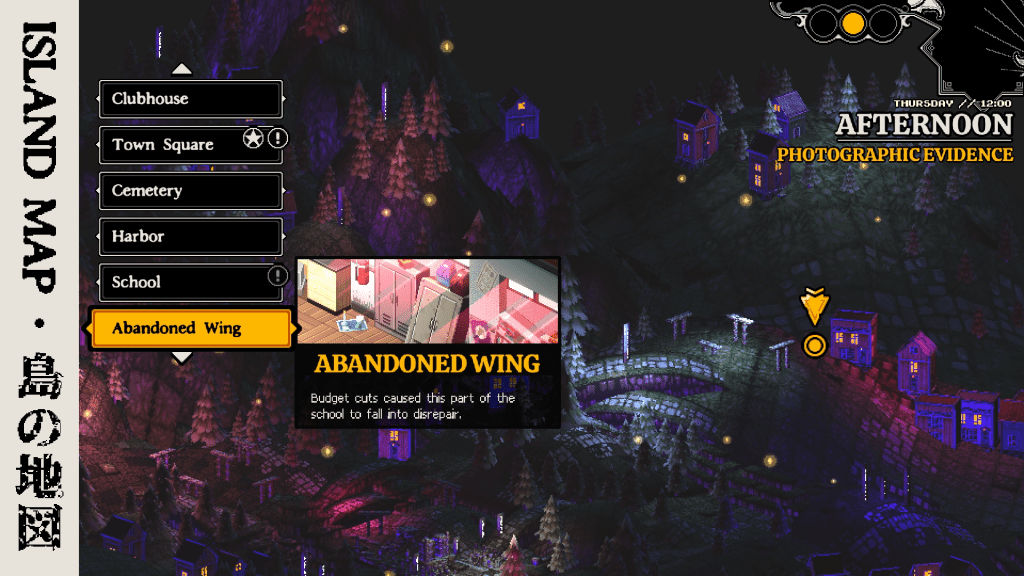
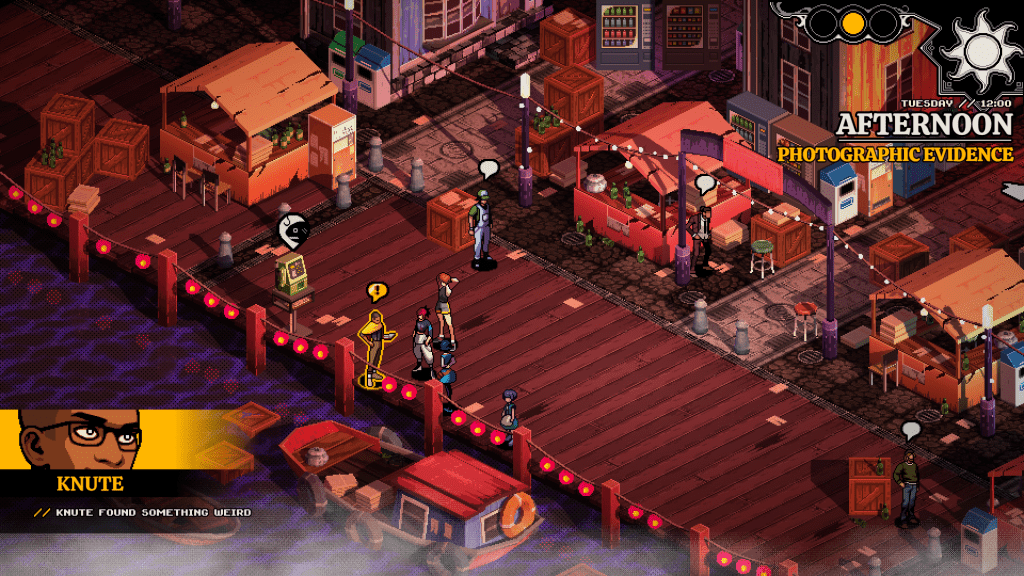
Stepping out of Demonschool‘s wonderful battle system, things are more of a mixed bag. Don’t get me wrong, there is a fair amount of good. You can instantly travel to different areas, and there is always an icon or hint when there is something eventful to do in said location. The writing and interactions between characters are funny. You can romance and build bonds with your teammates if you so desire, regardless of gender. There are multiple endings, including some joke ones. Techniques can be studied and then later used in battle, both character-specific and universal. Overall, I found it way less stressful than a modern Persona title, where you have to follow guides to manage your limited time most effectively.
On the other side of the coin, there are unpolished aspects of Demonschool. Character portraits for NPCs are shrouded in shadow. Minigames are overly simplified. Many of the friends Faye meets along her journey have one-note personalities. Pacing is an issue; when you start to feel that 11 weeks of story can be better condensed into single-digit ones, something is wrong. And while I adore the combat, if you aren’t gunning for an A rank every battle, it is quite easy to kill every foe and get by with a C grade, even if 3/4 of your party is decimated by the end.
Demonschool is a bit of a hard game to nail down. Can I say the game is good enough when it has one truly exceptional feature? Does its combat do enough heavy lifting to carry it to its conclusion? I say it does, especially since its battle system makes up so much of the complete package. I recommend playing it if you are itching for an old-school, fast-paced, grid-like RPG experience, and don’t mind some shallow design choices. After all, even if Atlus did anything with its first few Persona games, the chances it wouldn’t remake them into 3D affairs are quite slim.
This review is based on a retail copy of the game provided by the publisher.
Retro PlayStation-like RPG with great combat and average everything else
- Gameplay 7/10
- Plot 6/10
- Characters 6.5/10
6.5/10
Summary
Demonschool has an excellent combat system, but everything else is mediocre. It’s fun if you like strategy and are not expecting the next greatest RPG.