It’s no secret that the big-budget videogame industry is in a baffling state at the moment—despite games being a larger industry than movies and music combined, studios keep getting shut down, people keep getting laid off, projects keep getting cancelled. Games are both one of the most lucrative entertainment products out there and seemingly incapable of generating cash for anybody.
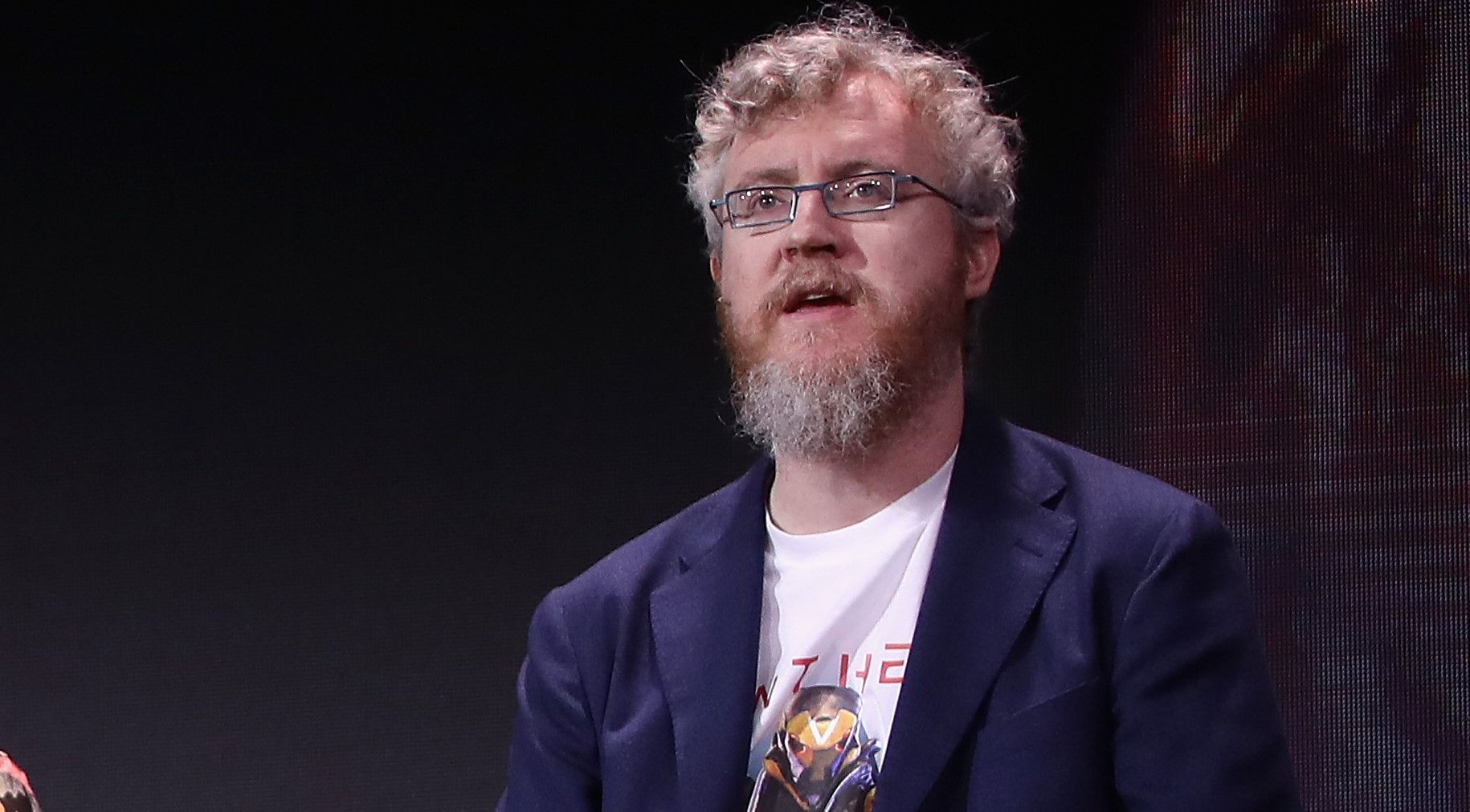
Per a video from Mark Darrah, a former producer at BioWare whose work includes the Dragon Age Games, videogames could stand to learn a little from Hollywood and the rise of streaming services.
Watch On
Now, I know the instinctive gut reaction to that idea isn’t great—if there’s one thing that annoys me more than microtransactions, it’s streaming services (though it’s a pretty close race). Still, Darrah does make some fairly decent points in comparing the two industries.


Movies have “a very strong degree of gatekeeping,” Darrah says, “I could make a videogame and put it on steam and potentially sell 2 million copies even if I have zero dollars of marketing, even if I have no connections in the industry. I probably won’t, but I can … There’s a curation that’s happening in movies that isn’t happening as effectively in games.”
Instead, movies enjoy a “model where they start with a pretty expensive experience, and then as it descends down through its lifespan, the audience that’s being addressed is getting larger and larger and larger. The amount of money that’s being made per viewer is getting less and less and less, but over time you are reaching a very broad audience.”
In other words, movies move from theatres, to streaming services, to the used market or DvD collections—and as Darrah raises, movies have ways of getting the same fan to put money in the system multiple times. Someone who liked a film in theatres might, for example, buy the boxset a few years later.
Contrast this to videogames, Darrah argues, which have found a way to “make an immense amount of money from some of the players” through live service whales, “way more than anyone is spending watching Star Wars in theatres over and over again … but that model has essentially removed the quest for new and different business models.
“The way we currently have subscriptions set up, they don’t tend to make very much money for most games that are on those services—some games make a bunch, a lot of games make very little,” which is a problem, Darrah posits, as it encourages developers to optimise for those platforms: “It encourages degenerative design in order to juice the numbers and make yourself more money.”
Darrah doesn’t have exact suggestions for how videogames might borrow Hollywood’s pricing techniques, though he does float product placement and a change to subscription services:
“Maybe they go in for a while and then they leave, the same way that movies leave Netflix. I think the over-reliance on microtransactions is emphasising certain genres and preventing other genres from flourishing.” Mmn. Not sure if I want that, but it’s not like games are doing a great job of being conserved at the moment, anyway.
“Everything can’t be a live service—as I hope we’ve proven pretty definitively over the past year and a half. And if our monetisation is coming primarily from live services, we run the risk of ending up in a world where there are no AAA games that aren’t live services. And I don’t think that’s a world that any of us want to live in.”
Hear hear. I’m not sure we should trade one grotty set of industry practices for another, but I do think Darrah has a point—the way things are right now, I have a hard time blaming these big AAA companies for the live service deluge. I still might, a little, but they wouldn’t be continuing to blow money on the losers if the winners weren’t so provably profitable when they hit big. It’s not wrong to be looking for something else.