Watch On
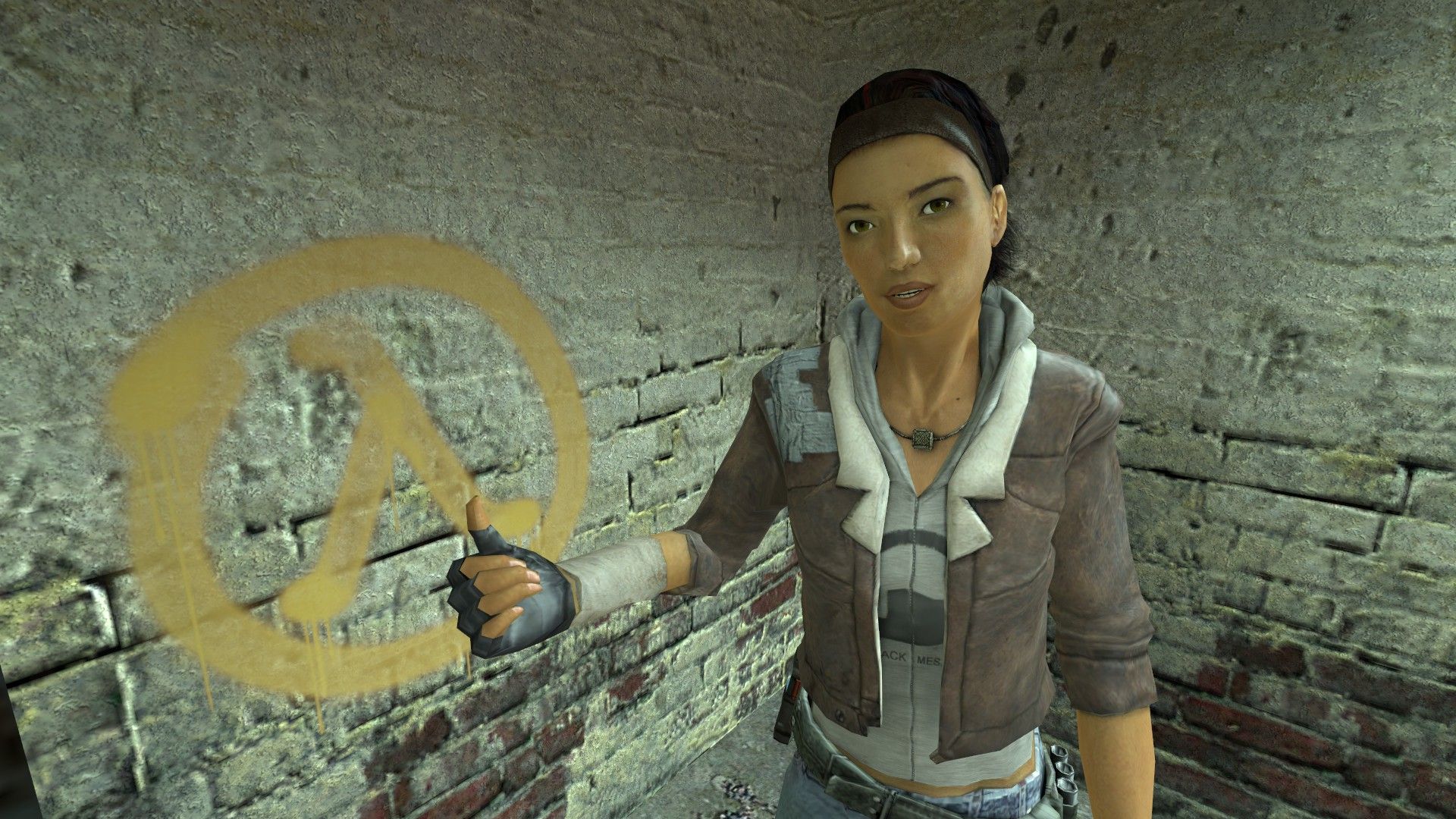
YouTuber Ocelot, who specializes in videos comparing different versions of games like Silent Hill 3 and Resident Evil: Code Veronica, recently took to analyzing different versions of Half-Life 2. Valve’s FPS may not seem as fruitful a topic for dissection, but there are more differences in these builds than you might think.
What I did remember was that the buoyancy puzzle in Route Kanal used to be harder, and Ocelot’s helpfully documented that here to prove those of us who remember this bit being a right bastard aren’t crazy. After you turn the valve to raise the water level there’s a section where you need to get back onto dry land. Beneath you are wooden objects trapped by planks, and when freed they float to the surface where you can use them as rudimentary platforms.
Article continues below
As Ocelot shows, in the current build of Half-Life 2 that’s so easy to do you wouldn’t think twice about it. But in earlier versions, after finally figuring out to turn the valve to raise the water, we were basically traumatized by these objects not being quite buoyant enough to reliably get us to land. I’m sure it only took a few attempts, but everything feels longer in a sewer level.
Ocelot’s video goes on to highlight differences in the console ports of Half-Life 2, as well as an even rarer version of Gordon Freeman’s adventures in physics. There was an arcade version released in Japan, with both multiplayer and a condensed story mode complete with cutscenes and glowing arrows telling you where to go, which seem so antithetical to Valve’s whole design ethos it’s kind of shocking.
The video ends at Black Mesa East, but I’d be down for a sequel comparing the rest of the game. Or at least Ravenholm, which must be interesting in both the over-the-top arcade version and on the original Xbox. How that thing ran Half-Life 2 to begin with is a mystery.