- The program runs as a two-week virtual bootcamp followed by a 14-week in-person accelerator in Riyadh.
- International companies must relocate to Saudi Arabia for the in-person phase, with Exel supporting the process.
- Selected startups receive up to $300,000 per team, split between $150,000 in cash and $150,000 in strategic in-kind support.
- AI is embedded across the curriculum, from development pipelines through to commercialisation and go-to-market strategy.
Stay Informed
Get Industry News In Your Inbox…
Sign Up Today
Investment firm Merak Capital launched its Exel by Merak Gaming Accelerator back in 2024 with roughly $82 million, targeting early-stage game studios, publishing platforms, and adjacent services. But how, exactly, does it work?
The program has run twice, graduated dozens of startups, and reopened applications in April, with up to $300,000 per team. Yet questions about equity, eligibility, relocation, weekly structure and what exactly studios get in return continue to surface.
As studios across the Middle East and Africa weigh up whether to apply for its third cohort, we’ve broken down the structure, the money, the commitments and the areas studios most commonly misunderstand.
The fund behind the accelerator
Exel by Merak is the gaming-focused accelerator arm of Saudi Arabia-based investment firm Merak Capital.
The program is aligned with Saudi Arabia’s National Gaming and Esports Strategy under Vision 2030, which means it sits inside a broader state-backed push to position the Kingdom as a global games hub.
The fund plans to invest in 15 to 20 startups across cohorts, with the stated goal of producing at least 15 commercially viable games out of the program.
What studios receive
Selected startups can receive up to $300,000 per team, split evenly between $150,000 in cash and $150,000 in strategic in-kind support. The in-kind portion covers weekly mentorship from games industry and tech veterans, access to Merak’s partner network (Savvy, Huawei, the Saudi Esports Federation and Microsoft are among the named partners), and structured support across development, go-to-market and scaling.
In a previous interview, Exel by Merak CEO Faisal Sedrani described the $300,000 as “catalytic, not symbolic.” The intent, he has said, is to give studios runway to hit milestones that unlock follow-on funding rather than to fund a full production cycle.
The structure of the program
The process moves through six phases. Call for applications opens first, followed by a qualifying and selection round. Applications are reviewed on a rolling basis, with the team evaluating on team strength, market potential, scalability and technical execution. Founders are also assessed on how they approach monetisation and long-term sustainability, not just the product itself.
A two-week virtual bootcamp follows for those who make it through. This phase covers initial onboarding, training and setting strategic goals, and it can be managed alongside existing work commitments.
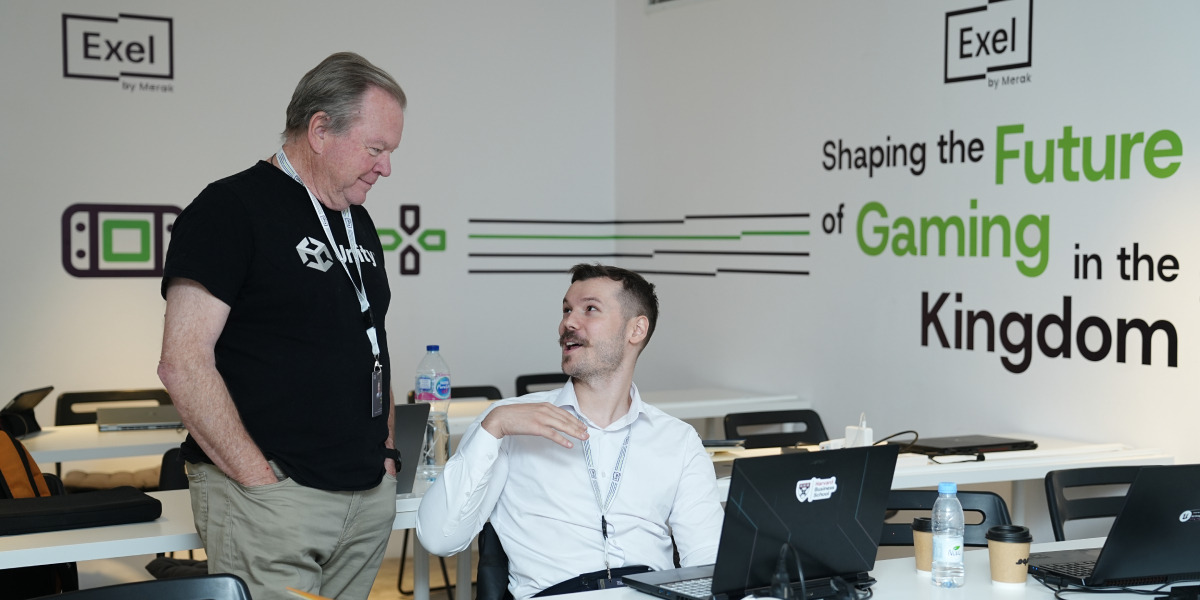
A filtering round comes next, where the top performers are selected to move into the accelerator phase. This 14-week in-person program in Riyadh is focused on commercialisation and go-to-market strategy for games. It requires full-time commitment from the core team, including the CEO and main co-founders.
Stipend, accommodation and travel support are provided for teams coming from outside Riyadh or outside Saudi Arabia.
Demo Day closes out the in-person phase, with startups pitching their ventures to a curated audience of investors, stakeholders and publishers. Post-program support continues afterwards through Merak’s network, with continued mentorship, follow-on investment pathways, and industry connections.
What a typical week looks like
Inside the accelerator phase, the weeks follow a consistent rhythm. Founders spend time with mentors and industry experts who have shipped games and built studios and have one-on-one sessions with the Exel team for direct feedback. Teams run internal hurdle sessions to keep delivery on track and hear from alumni and founders about what worked and what did not.
The schedule also includes hands-on workshops covering practical operational skills, dedicated build time for the product itself, and pitch practice sessions to prepare for Demo Day. Pitching is continuous throughout the program, not just a final exercise.
Eligibility criteria
International companies must relocate to Saudi Arabia for the in-person phase, with Exel supporting the relocation process. Local companies must hold a valid Commercial Registration (CR) and Exel will support those who need help acquiring one.
Studios must have an MVP, vertical slice or be actively in the development stage. A strong team portfolio, proficiency in English, demonstrated market potential, full dedication to the program, and clear potential for growth and scalability are all required.
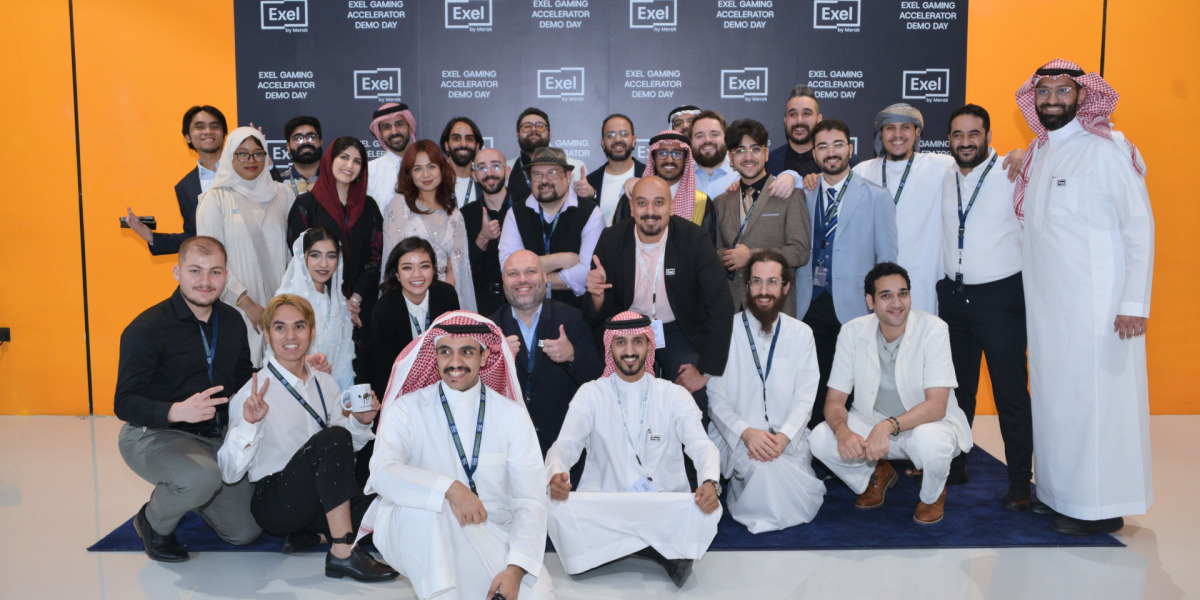
Geographic eligibility is broader than the “MENA” label suggests. The first two cohorts drew more than 5,000 applications from over 70 countries. Egyptian studios have already gone through the program and Sedrani has confirmed Exel is open to African game studios, citing “strong potential for cross-regional collaboration”. Nigerian, Kenyan, South African and other African studios are eligible to apply.
Part-time founders are not eligible for the accelerator phase. If selected, the expectation is full-time commitment from the core team.
The cohort roadmap
Exel has mapped out four planned cohorts. Cohort 1 ran in H1 2025 and has concluded. Cohort 2 ran in H2 2025 and has also concluded. Cohort 3 is currently taking applications and will run in H2 2026. Cohort 4 will run in H1 2027 and is, for now, the final planned batch, although further cohorts are likely beyond 2027.
The expected outcomes
By the end of the program, graduating studios are expected to launch a polished gaming product, have a pitch deck and be funding-ready, demonstrate revenue growth alongside audience building and key partnerships, and present a clear monetisation strategy.
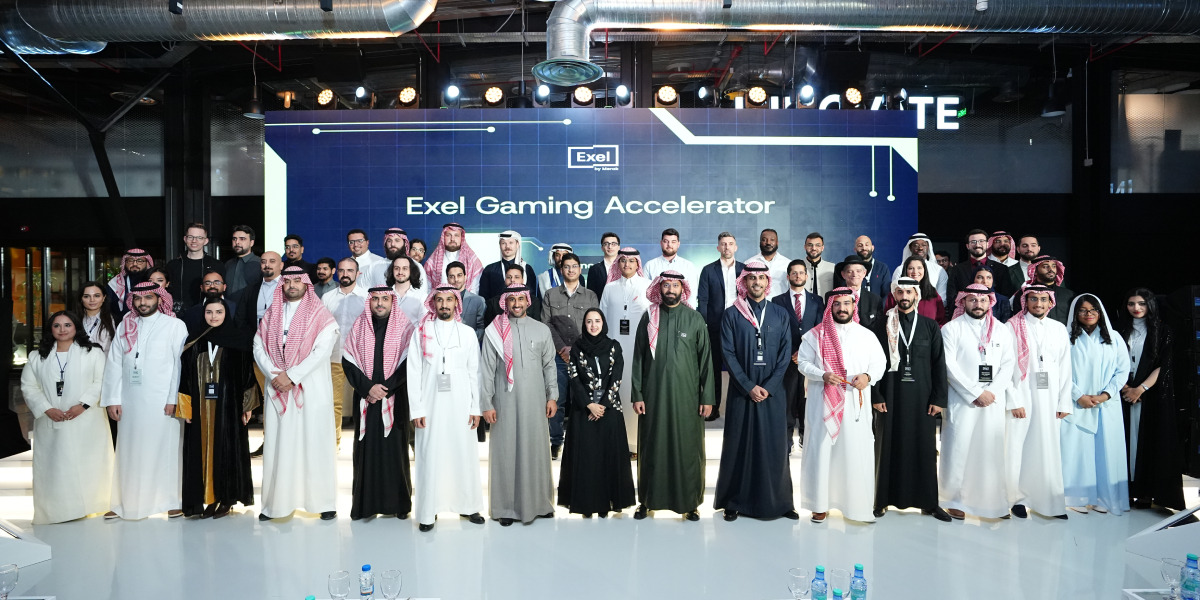
“The programme empowers you to grow your business and it also lets you identify who you are as a founder. We will poke at your weaknesses and we will reinforce your strengths, because you start with understanding who you are,” said Exel by Merak program advisor Kelly Zmak.
AI as a core curriculum thread
AI runs through the curriculum as a core theme, covering development pipelines, go-to-market strategy, commercialisation and operational tooling. Studios are expected to actively integrate AI into their workflows and justify the choices they make around it through the program’s weekly deliverables.
“A general theme throughout the program is AI,” Zmak continued. “We want you to use AI with knowledge and expertise, not make decisions based on ignorance and fear.”
Common founder pitfalls
Sedrani has been candid about the most common mistake he sees: founders pitching pure creative vision without a commercial spine. Investors at Exel want to see how the game ties to market demand, how it acquires and retains users, and how the business generates revenue. The accelerator is structured around shifting founders from “building a game” to “building a profitable company”.
Applications for Cohort 3 close on May 21st, 2026. The team evaluates daily on a rolling basis, so earlier applications improve the chance of timely review. You can apply via the official website.