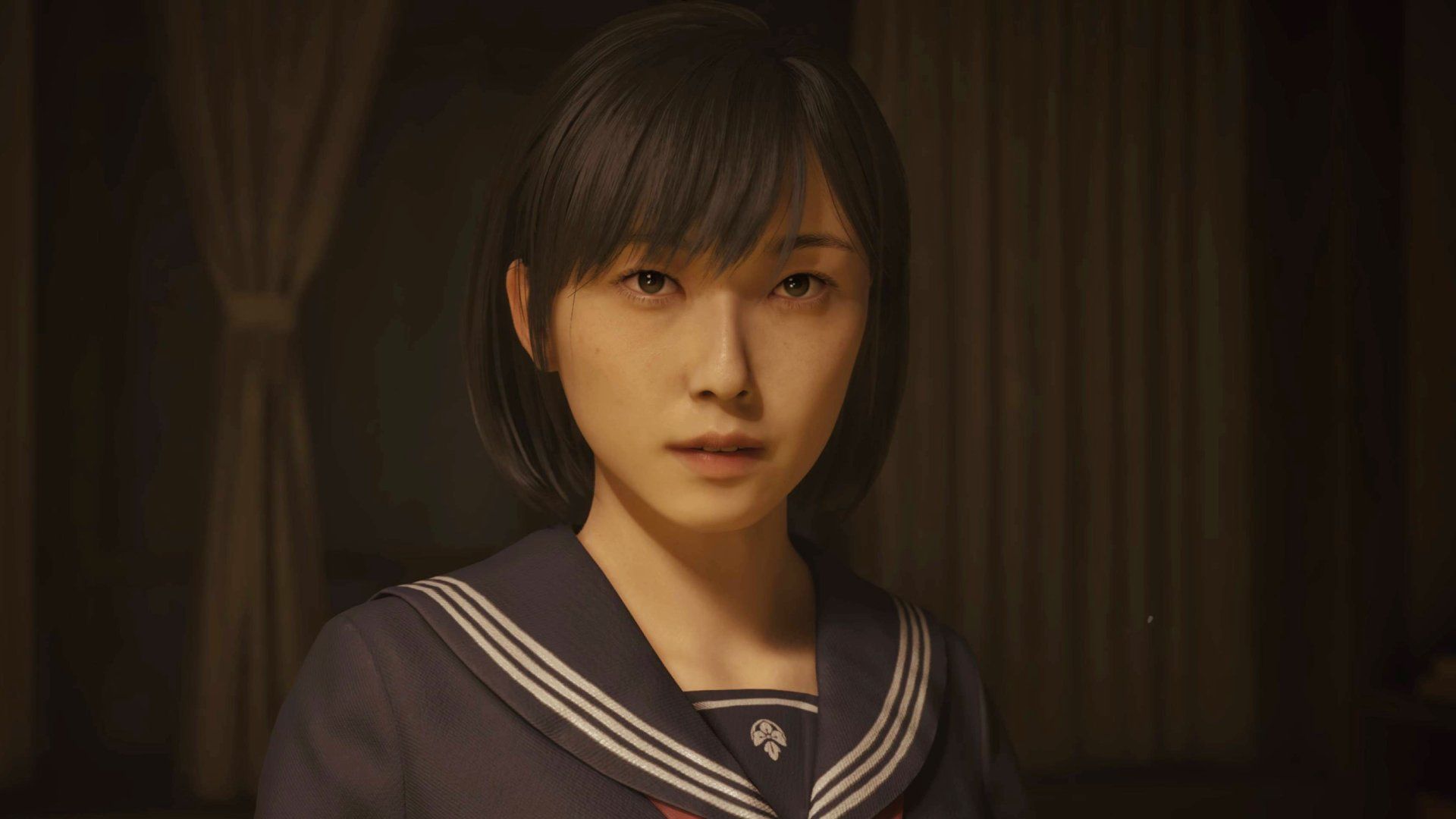
One of the most magical parts of Silent Hill f was that never in a hundred years did I think it would be something that Konami would greenlight. Not because it’s outlandish or a poor idea, I absolutely loved it, but because I just thought Konami had kind of set aside doing anything new with the franchise.
But I was wrong, and I’ve never been happier to be wrong, because Silent Hill f was exactly the kind of shake up this series needed—adding new twists to what we’ve come to expect from these games while also holding its psychological horror roots from Silent Hill 2 sacred. And because of this we’ve had not one but two new games over the last couple of years come out with Silent Hill f and now Silent Hill: Townfall—we are truly spoilt.
As it turns out, releasing new Silent Hill games which stray from the original format and location were exactly what devs wanted to do when it came to planning the series’ comeback.
Motoi Okamoto, executive producer, explained during a lecture at CEDEC 2026 (via 4Gamer and Automaton) that the team wanted to avoid doing a “wait and see remake,” which essentially means a remake purely for the sake of gauging interest in an old series. Okamoto believed that “at best, only about half of the original users will return with a remake” and if the company wanted to encourage new and old players to check out their new games they’d need to offer more than just nostalgia. This is why Silent Hill 2’s remake was announced alongside Silent Hill f and Townfall.
Luckily, like Capcom has found with its Resident Evil series, Konami has also discovered a good cadence with Silent Hill—offering remakes alongside new standalone titles, with Silent Hill 2 preceding Silent Hill f and a Silent Hill remake being in the works.

The secret to it all working? Well, Okamoto does applaud Konami’s development partners such as Bloober Team, Annapurna, Screen Burn, and NeoBards for their excellent work and skills bringing new and old Silent Hill stories to life. But even more important than choosing solid partners is having a solid base to work with, and that’s where Konami began again with Silent Hill.
Clarifying Silent Hill’s identity was of the utmost importance when beginning its revitalisation. The core concept Okamoto chose was “psychological horror”, having a protagonist confront their worries, conflicts, and guilt in an “inner world” alongside encountering symbolic projections of trauma—wandering around the world they found themselves in was a metaphor for the psychological process aka Silent Hill. This is why Konami chose to kick it all off with a Silent Hill 2 remake, a game that embodied all of these traits.
Everything that Okamoto discussed here is clear as day when you look at what Silent Hill has recently put out. There’s a coherence, experimentation, and freshness to what Konami is doing with this much beloved series, and as a long time fan I couldn’t be happier.
2026 games: All the upcoming games
Best PC games: Our all-time favorites
Free PC games: Freebie fest
Best FPS games: Finest gunplay
Best RPGs: Grand adventures
Best co-op games: Better together